Institutional Review of the Seventieth Session of the Commission on the Status of Women (CSW70)
March 20, 2026IPPDR/MEDIA
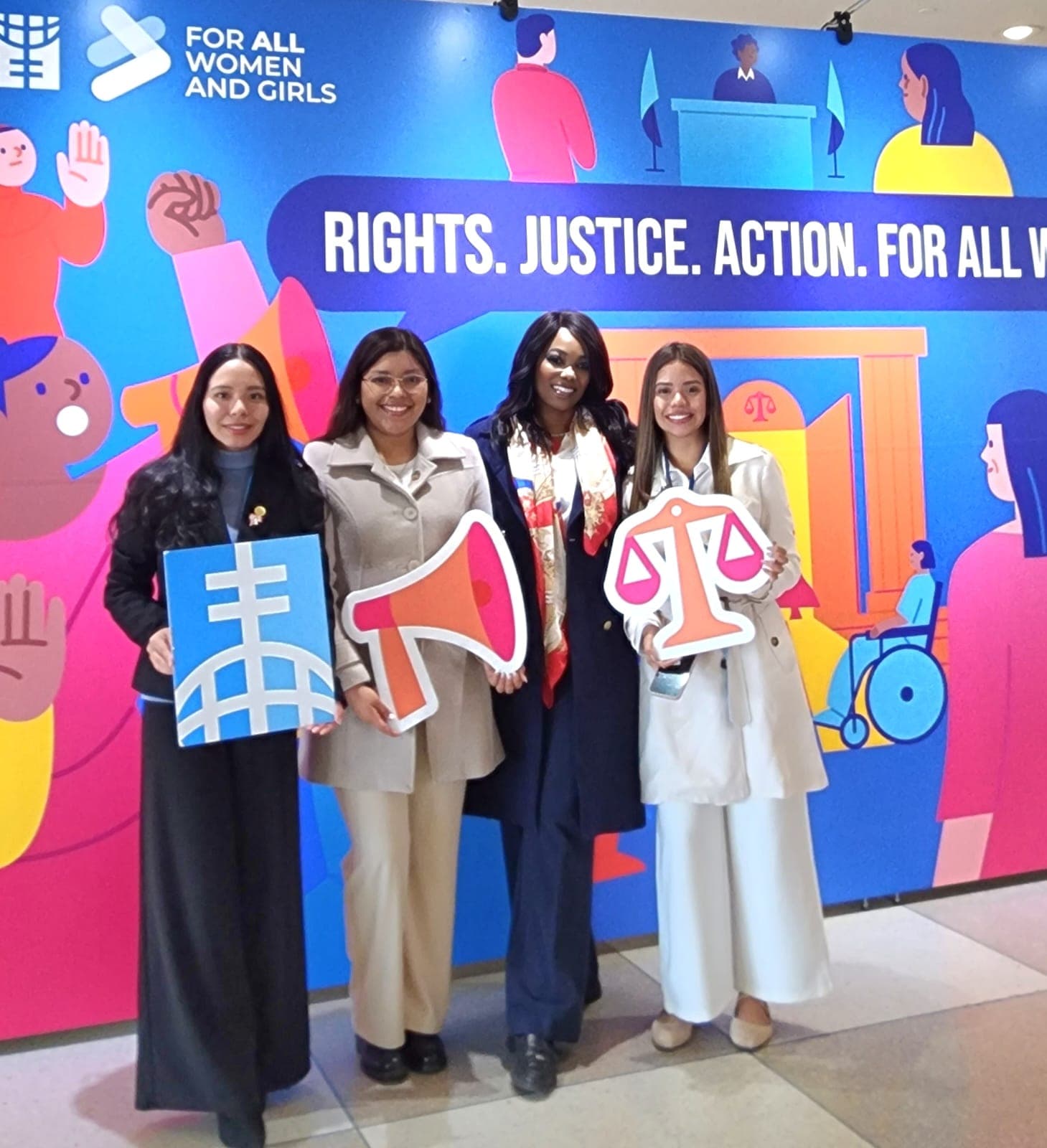
The Institute of Public Policy & Diplomacy Research (IPPDR) was honored to participate in the seventieth session of the Commission on the Status of Women, convened at United Nations Headquarters from 9 to 19 March 2026.
CSW70 centered on the priority theme, “Ensuring and strengthening access to justice for all women and girls, including by promoting inclusive and equitable legal systems, eliminating discriminatory laws, policies and practices, and addressing structural barriers.”
This theme reflected a pressing global concern and affirmed that access to justice remains indispensable to equality, human dignity, and institutional credibility.
From an institutional standpoint, CSW70 made an important contribution by reaffirming that justice for women and girls must be understood not merely as a legal concept, but as a matter of governance, rights protection, public trust, and social stability.
The session’s framing correctly recognized that justice is not fulfilled by legislation alone. It requires inclusive institutions, effective remedies, accountability, accessibility, and systems capable of protecting women and girls in practice rather than in principle only.
The Agreed Conclusions adopted during the session reinforced this broader policy understanding.
A notable strength of CSW70 was the seriousness with which it approached structural barriers. The official documentation and preparatory analysis emphasized that women and girls continue to face obstacles rooted in discriminatory laws, weak enforcement, fragmented institutions, poverty, low legal literacy, and entrenched power asymmetries.
The policy conversation therefore moved beyond symbolic recognition and placed greater focus on substantive and participatory justice outcomes. This was significant because formal equality without enforcement does not provide meaningful justice.
The session was also commendable for acknowledging that the barriers to justice are not uniform. Women and girls in conflict affected settings, rural areas, migration contexts, and underserved communities often encounter justice systems that are distant, inaccessible, under resourced, or shaped by social exclusion.
CSW70’s broader framing reflected the reality that access to justice is influenced by intersecting vulnerabilities and cannot be addressed through a one dimensional policy response. That recognition gave the session greater relevance to both local realities and international governance debates.
Another positive element of CSW70 was its emphasis on the relationship between justice, peace, and inclusive governance. Reporting around the session described the Agreed Conclusions as a roadmap for more inclusive governance, stronger social cohesion, and prevention of future violations.
This is an important policy signal. Justice for women and girls should not be treated as a peripheral social issue. It is central to the legitimacy of institutions, the prevention of abuse, and the development of peaceful and resilient societies.
At the same time, CSW70 revealed several concerns that require sustained policy attention. The first is the persistent gap between international commitments and national implementation.
The session produced strong language and an important normative outcome, yet the documentation supporting CSW70 made clear that substantive justice remains out of reach for many women and girls across the world. Progress depends not only on declarations, but also on political will, public financing, evidence based reform, coordinated institutions, and implementation mechanisms capable of delivering fair outcomes.
A second concern relates to the political environment surrounding the adoption of the Agreed
Conclusions.
Rather than being adopted by consensus, the outcome document was approved by a recorded vote of 37 in favor, 1 against, and 6 abstentions. This departure from established practice reflected deeper tensions within multilateral diplomacy on questions concerning gender, rights language, and legal protections.
While the adoption of the text remains an achievement, the voting process itself revealed the degree to which global consensus on women’s rights can no longer be assumed.
In policy terms, what remains insufficiently addressed is the operational side of justice delivery. Future resolutions and follow up frameworks should place stronger emphasis on gender responsive budgeting, national legal aid systems, survivor centered services, community based access pathways, and monitoring structures that allow states to be evaluated through measurable results.
More direct attention is also needed in relation to digital harm, online violence, and the growing implications of artificial intelligence for rights protection and justice systems. These issues are no longer emerging concerns. They are active governance challenges that require clearer policy responses and stronger institutional readiness.
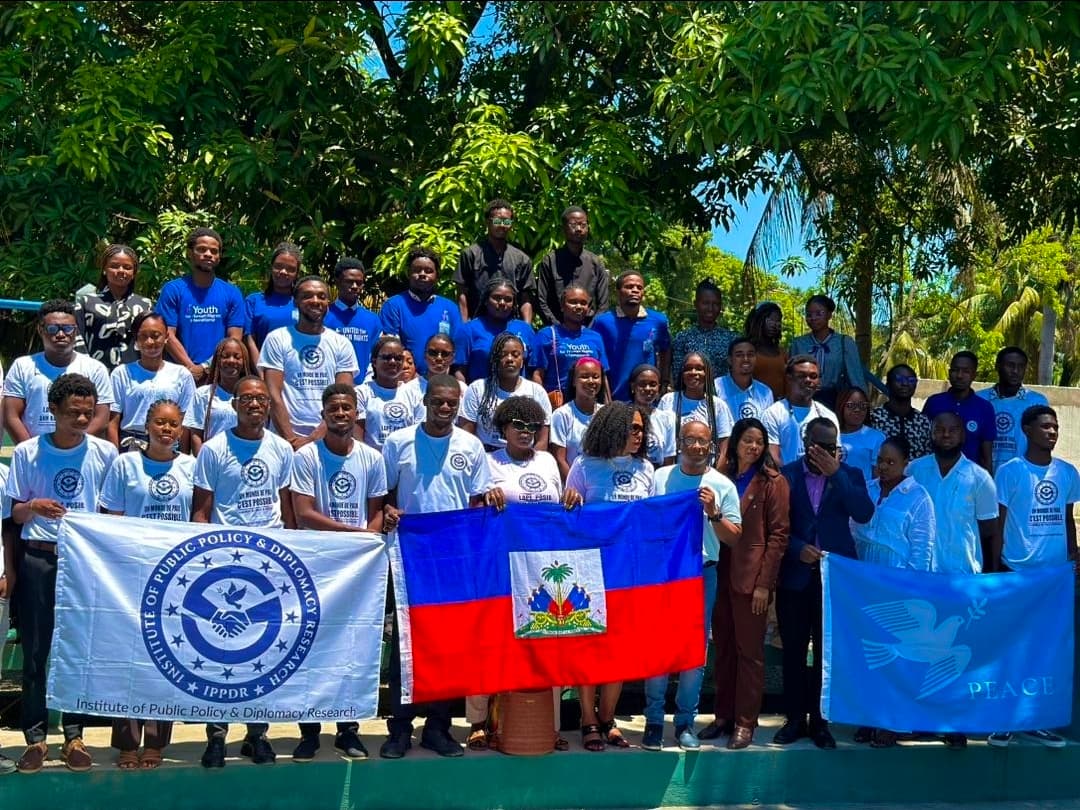
For the Institute of Public Policy & Diplomacy Research (IPPDR), participation in CSW70 was both meaningful and aligned with our institutional mission. We were glad to participate with our delegates in a global forum that continues to shape serious dialogue on justice, equality, diplomacy, governance, and social progress.
The session reaffirmed an institutional conviction that access to justice for women and girls cannot be separated from broader efforts to build peace, strengthen public institutions, and advance credible policy systems. Justice remains foundational to sustainable development and responsible governance.
From a scholarly perspective, IPPDR views CSW70 as an important and necessary session that succeeded in elevating access to justice for women and girls within the international policy agenda.
Its strengths lay in the clarity of its theme, the breadth of its policy framing, and the adoption of outcome language that addressed legal, structural, and institutional barriers. Its limitations remain tied to the longstanding gap between aspiration and execution, as well as the political divisions that continue to complicate multilateral progress.
The enduring value of CSW70 will depend on whether Member States translate these conclusions into enforceable laws, adequately funded systems, accessible justice pathways, and measurable outcomes for women and girls across diverse national contexts.